
FOURKITES: INCENTIVE DESIGN
Reconciling competing driver/shipper incentives through behavioral design, turning resistance into adoption
FourKites sells supply-chain visibility: software that tells a shipper where its freight actually is and when it will arrive. That promise runs on location data coming off the phones of truck drivers who don’t work for FourKites and have no obvious reason to share it.
32%
More Tracked Shipments
53%
Driver App Retention Increase
The Strategic Problem
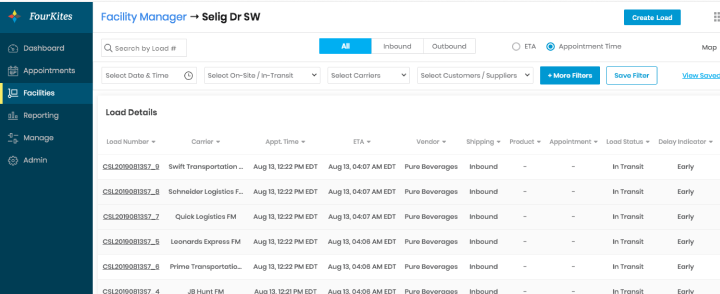
FourKites' predictive visibility platform depended on rich driver location data, but drivers actively resisted sharing it because they perceived it as surveillance. Shippers wanted maximum visibility; drivers wanted autonomy, privacy, and proof for detention billing disputes.
This was never a UI problem. It was incentive alignment: how do you get two parties with opposing interests to both participate willingly?
Why This Was Hard
This was a two-sided marketplace problem disguised as a mobile app project:
- Competing incentives: Shippers wanted surveillance; drivers wanted privacy and autonomy
- Trust deficit: Drivers viewed any tracking app as management control and potential job risk
- Technical friction: Battery drain, data costs, and unreliable connectivity on the road
- Zero mandate: Drivers could simply refuse to use any app, and many did
- Asymmetric value: Shippers got visibility; drivers got nothing.
A surveillance-first approach would have failed. Drivers needed reasons to participate, not just pressure.
The Insight
We reframed the problem: What if the driver app was designed for drivers first?
- Driver-First Value: Lead with benefits drivers actually care about: detention evidence, facility ratings, traffic-aware routing
- Transparency as Trust: Show drivers exactly what's shared and why, no hidden tracking
- Friction Elimination: Make participation effortless: one-tap trip start, smart background triggers, battery optimization
- Gentle Incentives: Encourage participation through value, not manipulation
Execution
Driver-Centric Feature Set
Built features drivers requested: timestamped detention evidence for billing disputes, facility ratings from other drivers, and traffic-aware routing. Tracking became a byproduct of value, not the primary ask.
Transparency Dashboard
Showed drivers exactly what shippers could see, with clear controls. Visibility into the visibility built trust.
Zero-Friction Onboarding
One-tap trip activation, automatic trip detection when possible, and battery-optimized tracking that didn't kill phones.
Results
- 32% more shipments tracked with real-time GPS: the core metric that mattered for shipper value
- 53% driver app retention increase: the incentive redesign meant drivers chose to keep using the app instead of abandoning it
- Built an app that drivers preferred to use, not just tolerated under pressure
- Enabled shipper expansion by solving the data quality problem at its source
What This Unlocked
This work demonstrated:
- That behavioral design can solve incentive problems that seem intractable
- The importance of designing for both sides of a marketplace, not just the paying customer
Reframing the driver from a data source into a participant with something to gain is what moved the numbers, the same move I reach for whenever a metric is really a motivation problem in disguise.
Gallery
LET'S TALK
Interested in discussing enterprise design challenges or exploring opportunities?